Source pullback diecast car model with shark storage for Kids, Collectors, Retailers
Compare 30 pullback diecast car model with shark storage options from verified suppliers. Buyers can evaluate metal alloy materials, varied scales, and customization features to find suitable toys for children and collectors; compare the available evidence and request quotations based on your requirements.
Key considerations
Products List













Comprehensive Sourcing Guide
Pullback Diecast Car Model With Shark Storage Sourcing Guide
Sourcing diecast pullback vehicles with integrated storage features requires a nuanced understanding of both mechanical functionality and packaging logistics. Buyers must distinguish between standard toy cars and specialized units that incorporate shark-themed storage compartments, which often dictate unique mold designs and assembly processes. The observed market data indicates a strong presence of metal alloy models, with specific product codes such as RFD573326 and SR-1810B representing common variants in this category. These models typically feature movable wheels and opening doors, enhancing play value while maintaining structural integrity. Procurement teams should prioritize suppliers who demonstrate consistent quality in diecast metal casting, as this material choice directly impacts the perceived value and durability of the final product.
The commercial landscape for these items is characterized by a wide price range, observed between $0.28 and $39.75 USD, reflecting significant variation in scale, material thickness, and feature complexity. Minimum order quantities (MOQs) vary substantially, ranging from single units for sampling to 10,000 units for large-scale distribution, necessitating careful inventory planning. Many suppliers offer customization options, allowing buyers to tailor colors, packaging, and specific mechanical functions to their target demographics. Understanding these variables is crucial for aligning procurement strategies with retail expectations, particularly when dealing with products originating from manufacturing hubs like Shantou and Guangdong, China. Buyers must evaluate how these logistical factors influence total landed costs and supply chain resilience.
Product Scope and Observed Listing Signals
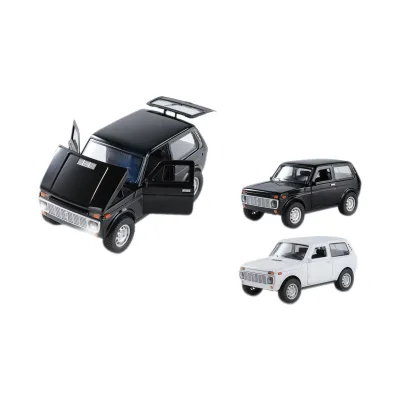
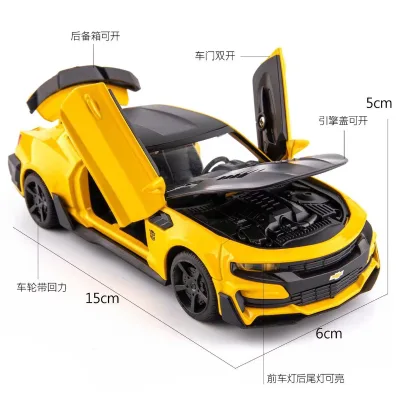
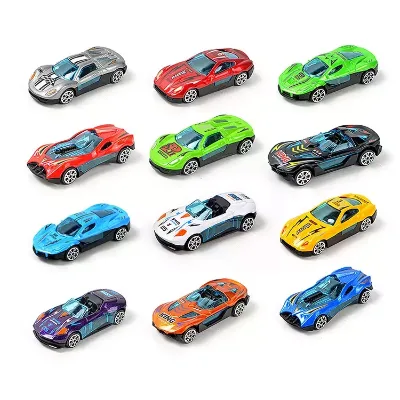
The product scope encompasses a diverse array of diecast vehicles, primarily focused on car and truck shapes, with specific emphasis on pullback mechanisms and simulation models. Observed listings highlight key attributes such as "Doors Open," "Wheels Movable," and "Pull Back" functionality, which are critical for engaging young consumers. The material composition is predominantly metal alloy, with some listings specifying "Alloy/Metsl" or "Die Cast Metal," ensuring a premium feel compared to plastic alternatives. Color options frequently include black, white, gray, and yellow, allowing for versatile marketing strategies. Additionally, the absence of batteries and voltage requirements simplifies logistics and reduces safety compliance burdens, making these products suitable for a broad age range from toddlers to adults.
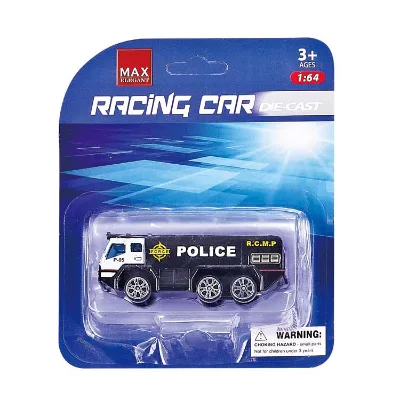
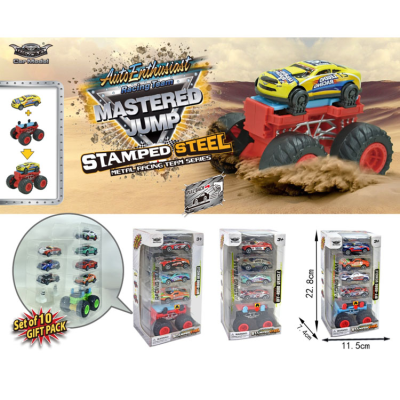
Packaging plays a pivotal role in the observed market signals, with options ranging from simple cartons to display boxes and window boxes. Standard carton dimensions vary widely, with some listings noting sizes like 24.524.54.9m or 55.54373cm, indicating significant variability in bulk shipping efficiency. The "Shark Storage" aspect, while not explicitly detailed in every listing, suggests a niche design feature that may require specific mold verification. Buyers should verify if the storage component is integral to the chassis or an add-on accessory, as this affects assembly complexity. The presence of customization availability indicates that suppliers are flexible, but buyers must confirm lead times and tooling costs associated with bespoke designs.
Technical Specifications to Verify
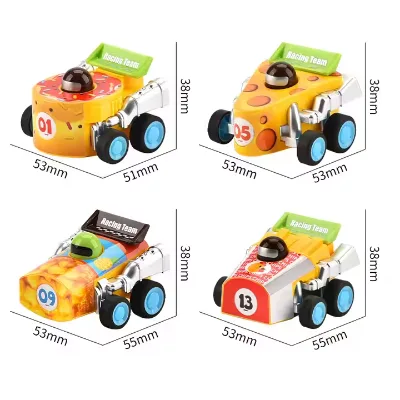
Technical verification must begin with the model numbers and physical dimensions provided in supplier catalogs. Specific models like RFD238079, RFD352450, and XLG001 offer distinct specifications, such as product sizes of 20.597.5cm or scales of 1:18 and 1:20. Buyers should request detailed technical drawings to confirm the accuracy of these dimensions, particularly for the shark storage compartment, which must be robust enough to withstand repeated use. The pullback mechanism's performance is critical; it must provide sufficient torque to propel the vehicle a reasonable distance without jamming. Verifying the smoothness of wheel rotation and the durability of the opening doors ensures that the product meets quality expectations for both children and collectors.
Material thickness and finish quality are equally important technical parameters. Diecast metal components should be free of burrs, sharp edges, and casting defects that could pose safety risks or detract from the aesthetic appeal. The paint application must be durable, resisting chipping and fading during normal play. For models featuring music or light functions, although some listings specify "Without Sound," buyers must verify the reliability of any electronic components if present. The battery-free nature of many models simplifies this, but any interactive features require rigorous testing. Additionally, the structural integrity of the storage compartment should be assessed to ensure it does not compromise the vehicle's balance or stability during movement.
Compliance and Safety Documentation
Safety compliance is non-negotiable for toy procurement, especially for products targeting children aged 2 to 13 years. Buyers must ensure that suppliers provide relevant certification documents, such as EN71 or ASTM F963, depending on the target market. The observed certification "EN" suggests adherence to European safety standards, but buyers should verify the specific parts of the standard covered, particularly regarding mechanical and physical properties. Small parts tests are critical for younger age groups, ensuring that components like shark storage lids or wheels do not detach and pose a choking hazard. Material safety data sheets (MSDS) should also be reviewed to confirm that paints and coatings are free from harmful heavy metals like lead, cadmium, and mercury.
Documentation should also cover labeling and packaging requirements, including age warnings, assembly instructions, and manufacturer details. The "Unisex" gender classification and broad age range suggest a need for clear, universal safety messaging. Buyers must verify that the packaging itself meets safety standards, particularly if it includes window boxes or display units that could be used as play structures. Traceability is another key aspect; suppliers should provide batch numbers and production dates to facilitate recalls if necessary. Ensuring that all documentation is up-to-date and legally compliant in the destination country prevents customs delays and protects the brand from liability issues.
Cost Drivers and Commercial Terms
Cost structures for diecast pullback cars are influenced by material prices, manufacturing complexity, and order volume. The observed price range of $0.28 to $39.75 USD reflects these variables, with higher prices typically associated with larger scales, more intricate features, and premium packaging. Buyers should analyze the cost breakdown to understand the impact of metal alloy content versus plastic components. Customization options, such as unique shark storage designs or specific color schemes, may incur additional tooling or setup fees. Understanding these cost drivers allows for more accurate budgeting and negotiation, ensuring that margins are preserved without compromising quality.
Commercial terms, including MOQs and lead times, significantly impact procurement strategy. The wide MOQ range from 1 to 10,000 units offers flexibility for both sampling and bulk orders. Buyers should negotiate favorable terms for repeat orders, such as volume discounts or extended payment periods. Lead times can vary based on production capacity and customization requirements, so clear communication is essential to avoid delays. Shipping costs, influenced by carton dimensions and weight, should be factored into the total landed cost. Buyers should also consider currency exchange risks and payment methods, such as letters of credit or secure escrow services, to mitigate financial exposure.
Supplier Qualification and Quality Control
Supplier qualification involves assessing manufacturing capabilities, quality management systems, and past performance. Buyers should request factory audits or third-party inspection reports to verify production standards and working conditions. Suppliers with experience in diecast metal manufacturing are preferred, as they are more likely to deliver consistent quality. The presence of customization availability suggests a flexible production line, but buyers must ensure that this flexibility does not compromise quality control processes. Establishing clear quality benchmarks and inspection protocols is essential to maintain product consistency across batches.
Quality control should include both in-process and final inspections. Key checkpoints include material verification, assembly accuracy, and functional testing of pullback mechanisms and doors. Buyers should define acceptable defect rates and implement a rigorous sampling plan for incoming goods. Communication channels with suppliers should be established to address any quality issues promptly. Regular performance reviews can help identify areas for improvement and strengthen the partnership. By prioritizing suppliers with robust quality control systems, buyers can minimize the risk of product failures and customer complaints, ensuring a positive brand experience.
Long-Term Procurement Checks
Long-term procurement success depends on continuous monitoring of supplier performance and market trends. Buyers should track key performance indicators (KPIs) such as on-time delivery, defect rates, and responsiveness to issues. Regular feedback loops with suppliers can drive continuous improvement and foster a collaborative relationship. Staying informed about changes in safety regulations and consumer preferences is crucial for adapting product offerings. The "Shark Storage" feature, while niche, may evolve with market demands, requiring ongoing innovation and design updates. Buyers should also monitor raw material price fluctuations to anticipate cost changes and adjust procurement strategies accordingly.
Sustainability and ethical sourcing are increasingly important considerations for long-term procurement. Buyers should encourage suppliers to adopt environmentally friendly practices, such as using recyclable packaging and reducing waste. Verifying compliance with labor standards and ethical sourcing policies protects the brand from reputational risks. Building a diversified supplier base can mitigate supply chain disruptions and provide bargaining power. By implementing a structured long-term procurement strategy, buyers can ensure a stable supply of high-quality diecast pullback cars, meeting customer expectations and driving business growth.
FAQs
What materials are used for these diecast models?
These models are primarily constructed from metal and alloy materials to ensure durability and a realistic feel. The product specifications confirm the use of alloy and metal components, providing a solid structure suitable for both play and collection. This material choice supports the simulation model features and allows for detailed craftsmanship in the design.
Can the doors on these cars be opened?
Yes, the doors on these models can be opened. The product attributes explicitly list the function as doors open, allowing for interactive play. This feature enhances the simulation experience, making it suitable for children and collectors who appreciate detailed, functional elements in their diecast car models.
What is the scale of the 1:18 car model?
The scale of this specific model is 1:18. This size provides a detailed representation of the actual vehicle, making it ideal for display or collection. The product description highlights it as a 1:18 car model, ensuring that buyers receive a proportionally accurate miniature that captures the essence of the full-sized vehicle.
Are batteries required for the pullback function?
No batteries are required for the pullback function. The product attributes clearly state that the toy has no battery and no voltage. The pullback mechanism is mechanical, allowing the car to move forward when released after being pulled back, making it a simple and reliable toy for various age groups.
Where are these diecast cars manufactured?
These diecast cars are manufactured in Shantou, Guangdong, China. The product origin is listed as Shantou, indicating the specific location of production. This information helps buyers understand the supply chain and origin of the products, which can be relevant for logistics and sourcing decisions in the global market.
What packaging options are available for these models?
Packaging options include carton, display box, and window box. The product specifications mention various packing types such as carton and display box, catering to different retail needs. This flexibility allows buyers to choose packaging that best suits their distribution channels, whether for bulk shipping or individual retail display.